
Microsoft Programs
How Solution Designations Really Work (and What Partners Miss)
| 5 min read

- Lyndsey CreamerPartner Profitability Executive
Microsoft’s Solution Partner Designations have been around long enough that most partners think they understand them but in my work with hundreds of organizations, I still see confusion, misconceptions, and missed opportunities. Partners often underestimate how strategic these designations can be, both for revenue growth and for deepening their relationship with Microsoft.
Designations are one of the most direct levers you have for revenue growth, co-sell visibility, and getting Microsoft to invest in your business.
So, let's talk about what's really going on under the hood.
Why Solution Designations Carry More Weight Than You Think
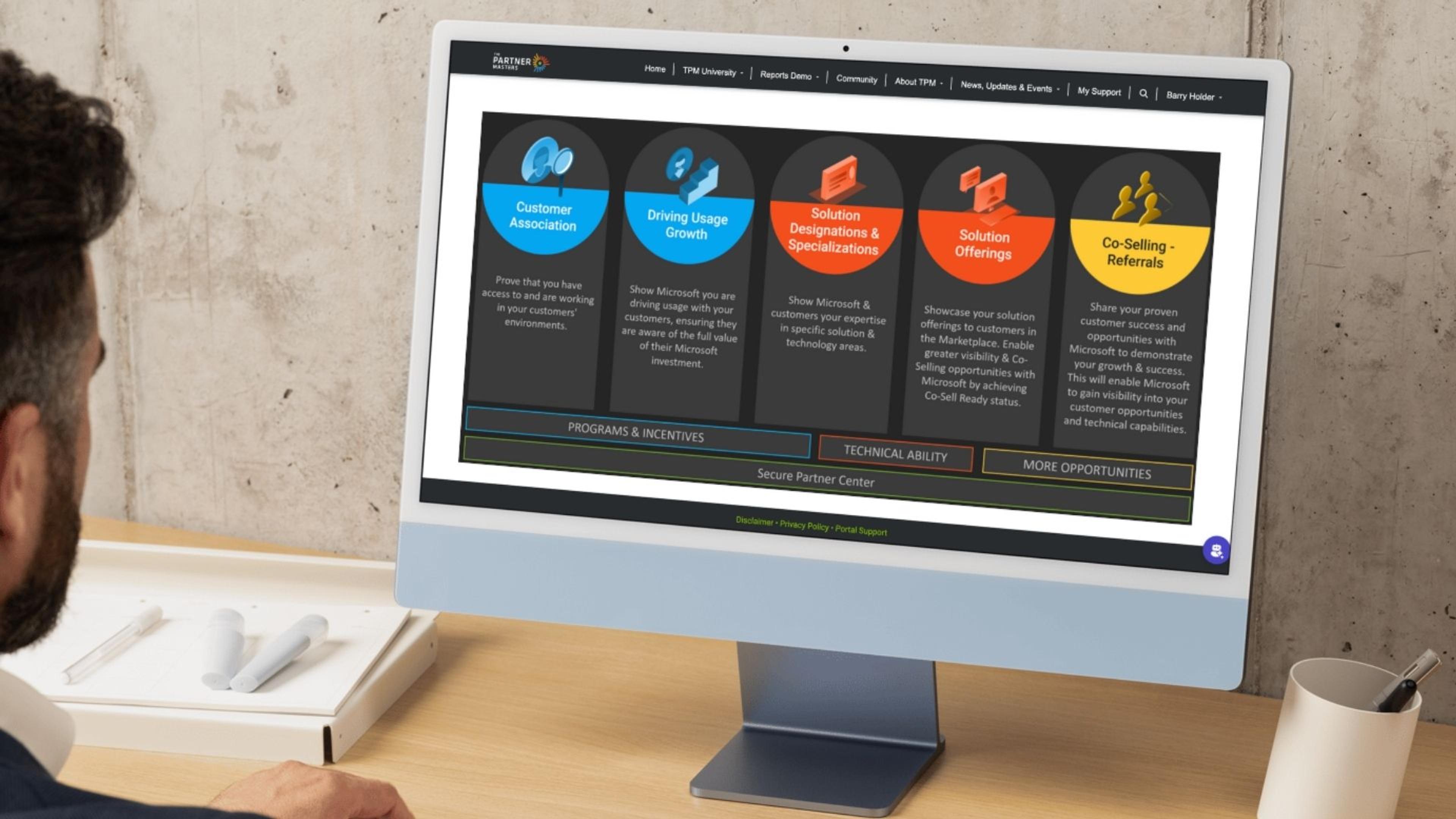
Microsoft didn't build the solution designations framework just to give partners something to hang on their website as a shiny badge. These designations directly influence:
- Where you show up in co-sell and marketplace algorithms
- Whether you can unlock benefits like Azure credits and technical hours
- Which incentives you're eligible for
- How much confidence Microsoft's internal teams have in your ability to deliver
That last one matters more than people realize. When a Microsoft seller is deciding which partner to recommend for a deal, your solution designations are part of how they make that call. If you're not showing up with the right ones, you might not be showing up at all.
Without giving the designations the proper placement, weight and credit so any business acceleration gets completely throttled.
The Three Pillars Behind Every Designation
Every Solution Partner designation runs on the same scoring engine. Three pillars, each pulling its own weight.
Performance
is the one that trips people up most often. This is less about how many licenses you've sold and more about consumption. Azure consumed revenue, Microsoft 365 workload deployments, and Dynamics 365 customer adds are what Microsoft wants to see.
Skilling
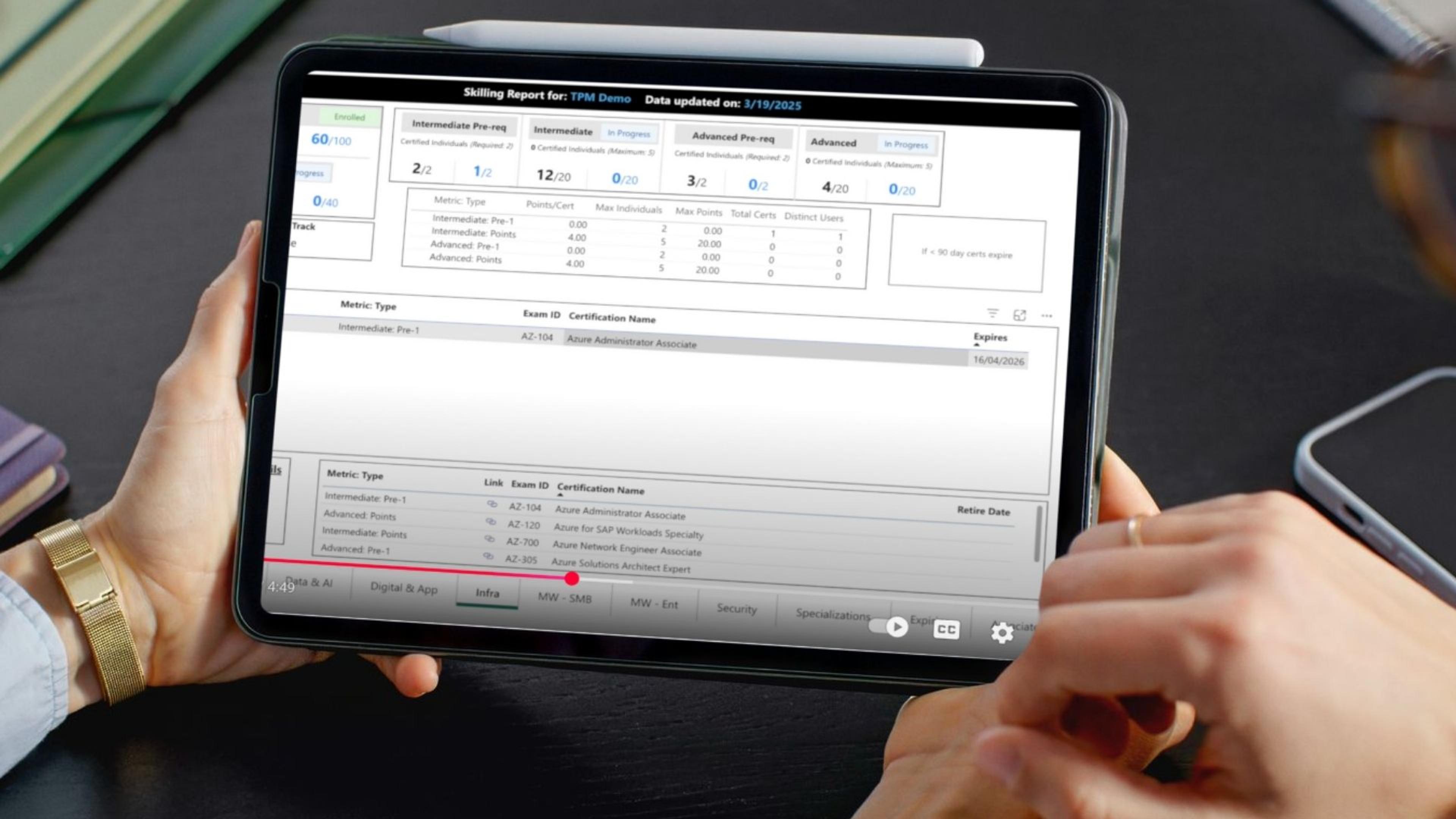
is the most straightforward of the three. Do your people hold the right certifications? Think SC-300, AZ-104, AZ-305, DP-203, PL-200, and MB-700, the list depends on which solution designations you're pursuing. You need a certain number of certified individuals on staff, and those certs need to stay current. What Microsoft is really asking here is simple: Do you have the people to deliver what you promise?
Customer Success
is where a lot of partners underperform without realizing it. This pillar looks at active usage, successful deployments, verified outcomes, and net new workloads. It's not enough that your customer bought something six months ago. Are they still using it? Are they expanding? That retention stickiness is what scores points here.
Four Misconceptions That Hold Partners Back
"We hit 70 points, so we're good"
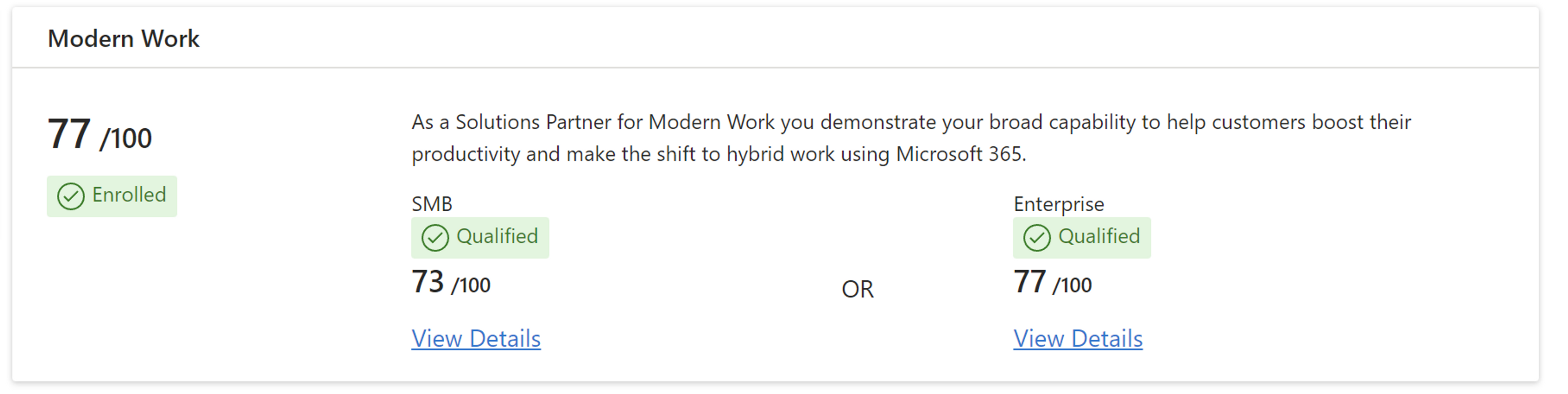
The reality is, your score isn't static. Certifications expire. People leave. Consumption shifts between workloads. Customer success metrics move around quarter to quarter. If you're not actively managing your solution designations score, you can lose ground without even noticing. This isn't a one-and-done exercise.
"Certifications are what's holding us back"
Sometimes this can be the case, but more often than not, the real gap is on the Performance side — especially for partners going after Data & AI or Digital & App Innovation. A single customer with moderate Azure consumption can move the needle more than people expect. Many partners don't realize how heavily revenue factors into their scoring.
"We can't really control the Customer Success points"
There are areas you do have control. Clear onboarding processes, structured success plans, even simple monthly usage reviews are things that move the needle on Customer Success faster than adding new deals in a lot of cases. It's the lowest-hanging fruit that most partners walk right past.
"Designations don’t matter once we earn them"
That’s simply untrue. They influence how Microsoft sellers engage with you, whether you get co-sell recommendations, which incentive tiers you qualify for, where your marketplace listings rank, and how your partner manager prioritizes your account. All of that compounds over time but only if you keep your score healthy and coasting isn’t going to keep your score healthy.
The Framework for Staying Designation-Healthy Year-Round
Here's the framework I walk partners through when they want to stop playing catch-up and start staying ahead.
Build a quarterly score review rhythm
Assign someone — usually in Partner Operations or your PMO — to pull up the scoring dashboards every quarter. Have them track certification expirations, monitor customer usage trends, and flag any gaps before they become problems. The partners who lose solution designations almost never see it coming. A quarterly check fixes that.
Keep a certification pipeline running
Don't wait until someone leaves and suddenly you're short on certs. Assign at least two people to every key certification so you've got a backup. Track expirations 90 days out. Reward people who get certified. Skilling is the most controllable pillar you have — treat it like an investment, not an afterthought.
Align your offers to the designation you're building toward
If you want Data & AI, your service catalog should reflect that. Azure SQL modernization engagements. Analytics migrations. Fabric readiness assessments. Partners who build structured, repeatable services around a specific solution area earn their solution designations faster than those who try to do a little of everything.
Strengthen your customer success motion
This doesn't require a massive overhaul. Usage check-ins. Deployment follow-ups. Value conversations that remind customers why they bought in the first place. A simple 30/60/90-day success plan can turn a stalled deployment into an expanding one — and every workload your customer activates pushes your score higher.
The Part Most Partners Overlook When it Comes to Solution Designations
Here's what I really want partners to understand: solution designations aren't just about status. They're about profitability.
Partners who maintain strong designations see higher win rates. They get more Microsoft referrals. They qualify for better incentive tiers. They show up more prominently in the marketplace. Every one of those things translates directly into revenue and most partners are leaving some of it on the table.
Microsoft Solution Designations Work Best When you Treat Them Like a Living System
Not a badge you earn once and forget about, but something you monitor, invest in, and build your business around.
The partners who do this well use them to create a real competitive edge. More visibility, more credibility, and a stronger pipeline from Microsoft.
Now that's a growth strategy.