
Microsoft Programs
Microsoft Just Changed the Rules for Partner Designations and Specializations
| 5 min read

- Justin SlagleCEO
Microsoft quietly dropped a major set of updates to the Microsoft AI Cloud Partner Program in May 2026, and a lot of partners are going to feel the impact over the next 12 months. Some of these changes are administrative, some are structural. A few fundamentally change how partners maintain designations and specializations moving forward.
The official announcement on the official Microsoft website.
We reviewed the announcement internally and broke down what actually matters operationally for Microsoft partners, especially those focused on Modern Work, Azure, Security, and specializations.
The biggest takeaway: Microsoft is continuing to close loopholes, tighten validation requirements, and align partner qualifications more directly to real-world delivery capability.
That trend is not slowing down.
Partner University Is Being Retired
The first major change is the retirement of Partner University on June 15, 2026.
For many partners, this matters because Partner University assessments were tied directly to skilling points used for Solution Partner designations, especially in Modern Work.
Historically, partners could use assessments like the Teams Meetings Technical Assessment to earn advanced skilling credit. That pathway is effectively ending.
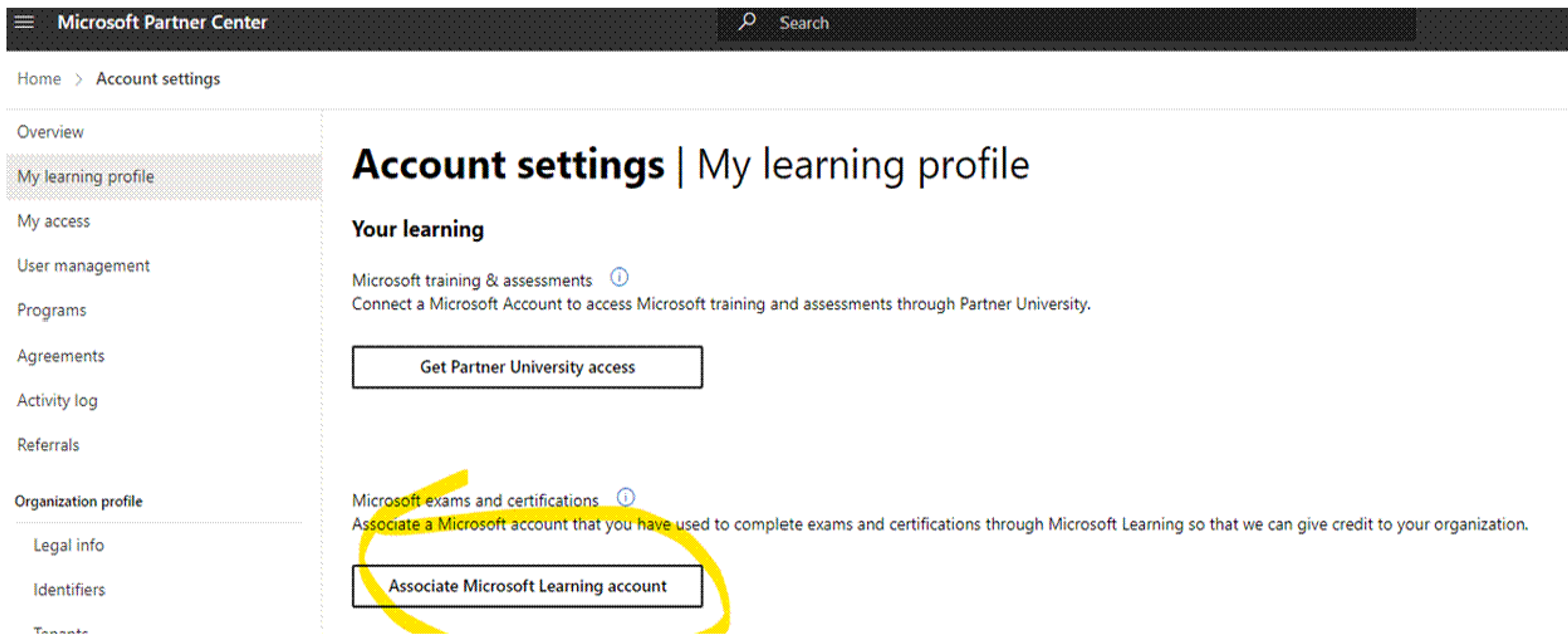
Existing linked users will continue receiving credit until June 2027, but no new user linking will be allowed after June 15, 2026.
That means partners who were planning to onboard additional employees into those assessment paths need to move immediately.
If your organization relies on those assessments for points accumulation, waiting could create a gap in your designation strategy later this year.
Microsoft Is Replacing Assessments With Certifications
This is one of the most important changes in the announcement.
Microsoft is replacing several lightweight assessment-based skilling paths with formal certifications.
For example:
- The Teams Meetings and Meeting Rooms Technical Assessment is being retired
- The Collaboration Communications Systems Engineer certification is now being added as an advanced skilling option for Modern Work
- The Microsoft 365 Fundamentals (MS-900) qualification path is being replaced with the new Copilot and Agent Administration Fundamentals certification (AI-900)
For years, many partners optimized around assessments because they were faster, easier, and lower friction. Microsoft clearly wants stronger validation now. Certifications create more rigor and make it harder to game the system.
The Teamwork Deployment Specialization Has Been Reworked
Microsoft has renamed the Teamwork Deployment specialization to the Secure AI Productivity specialization. In addition to the reworked name, Microsoft also adjusted several requirements.
Some requirements became easier:
- Net new customer adds dropped from 12 to 5
- The 20% partner growth requirement was removed
- Partners now need to hit 2,500 monthly active users instead
For many partners, this lowers the barrier to entry and will be a welcome change.
The broader pattern here is important. Microsoft is reshaping specializations around Copilot, AI productivity, and measurable adoption signals rather than older collaboration deployment motions.
If your organization has historically focused on Teams deployment or collaboration modernization, this is a signal to start repositioning around AI productivity outcomes.
Adoption and Change Management Specialization is Being Retired
This specialization was achievable for many partners and became fairly common across the ecosystem.
Microsoft appears to be consolidating and simplifying specialization structures while shifting emphasis toward AI, modernization, security, and measurable technical delivery.
Partners holding this specialization should start evaluating what replaces it strategically rather than assuming renewal pathways will remain stable long term.
Several Azure Specializations Are Being Merged
Microsoft is also consolidating multiple Azure specializations into broader categories.
New Analytics on Azure Specialization combines:
- Analytics
- Data Warehouse Migration
- Business Intelligence
New Agentic Business Solutions Specialization combines:
- Low Code Application Development
- Intelligent Automation
New App Modernization on Azure Specialization combines:
- Kubernetes on Azure
- Migrate Enterprise Applications
This aligns with what Microsoft has been doing across the ecosystem for the last year. Fewer narrow specialization tracks. More outcome-oriented categories tied to modernization and AI transformation.
Partners that built very niche specialization strategies may need to rethink how they position themselves.
Security Specializations Are Moving to Audit-Based Validation
This may be the single biggest long-term operational change in the announcement.
Microsoft is introducing audit-based validation for all four Security specializations:
- Cloud Security
- Data Security
- Identity and Access Management
- Threat Protection
Previously, many partners qualified primarily through customer references and supporting documentation. Partners will now go through third-party audits similar to Azure specialization audits. According to Microsoft:
- Audits will be conducted by independent third-party auditors
- Partners will fund the audits themselves
- Audits will occur every two years
Security specializations are no longer becoming marketing credentials alone. Microsoft is moving toward validated delivery capability with operational scrutiny behind it.
For partners, this means documentation maturity, delivery process maturity, and technical consistency are going to matter far more moving forward.
What Microsoft Partners Should Do Right Now to Prep for These Changes
Here are the immediate actions worth taking:
- Audit Your Existing Skilling Paths
Identify any users still relying on Partner University-linked assessments and determine whether additional employees need to complete them before June 15. - Reevaluate Certification Strategy
Several certification paths just changed. Modern Work partners especially should reassess training roadmaps as soon as possible. - Review Specialization Audit Exposure
If you currently hold Security or Azure specializations, begin preparing operationally for tighter validation standards and audit readiness. - Reposition Messaging Around AI Outcomes
Microsoft continues steering the ecosystem toward Copilot, AI productivity, automation, and modernization. Partner messaging should reflect that shift. - Expect More Validation Across the Ecosystem
As part of a larger pattern, Microsoft increasingly wants proof of real delivery capability, not just participation.
That affects:
- Designations
- Specializations
- Marketplace
- Co-sell readiness
- Security validation
- Customer evidence
- Certifications
The overwhelming signal we’ve been seeing is Microsoft moving the bar upward when it comes to partner specializations and designations. Partners who treat these changes strategically instead of administratively will be in a much better position over the next 12 to 24 months.