
Microsoft Programs
Microsoft Co‑op Funding: What It Is and How to Use It Well in 2026
| 6 min read

- Lyndsey CreamerPartner Profitability Executive
Microsoft co‑op (cooperative marketing) funds are one of the most under‑leveraged growth levers in the partner ecosystem. When you understand how they’re earned, what changed in FY26, and how to plan compliant, high‑ROI activities, co‑op becomes a reliable engine for pipeline and skilling—not just a “use it or lose it” budget line. This post gives you the full picture: a clear overview, the latest updates, and a practical framework you can apply right away.
Co‑op in Plain English
Co‑op funds are the marketing and enablement portion of Microsoft incentive earnings. In many CSP motions, earnings are split between a cash rebate (paid automatically) and co‑op (accrued for you to spend on approved activities, then reimbursed when you submit a claim). If your co‑op accrual for a semester falls below the program’s minimum threshold, Microsoft converts it to rebate; otherwise, you must plan, execute, and claim on time or you’ll forfeit the funds.
Microsoft operates co‑op on six‑month earning cycles (H1: Jul–Dec; H2: Jan–Jun). You earn during one half, use the funds the following half, and claim within the defined window (claims typically open ~45 days into the usage period and are due ~45 days after activity completion). Unused balances expire at the end of the usage period.
For the canonical rules, categories, proof‑of‑execution (POE) standards, and submission steps, Microsoft keeps an annual Co‑op Guidebook and related assets in the Co‑op Funds Resources collection—bookmark it alongside the Incentives Co‑op & Claims Overview on Microsoft Learn.
Notable Info about Co-op in FY26
While core mechanics are consistent, several FY26 changes should guide your plans:
Eligibility and capability alignment
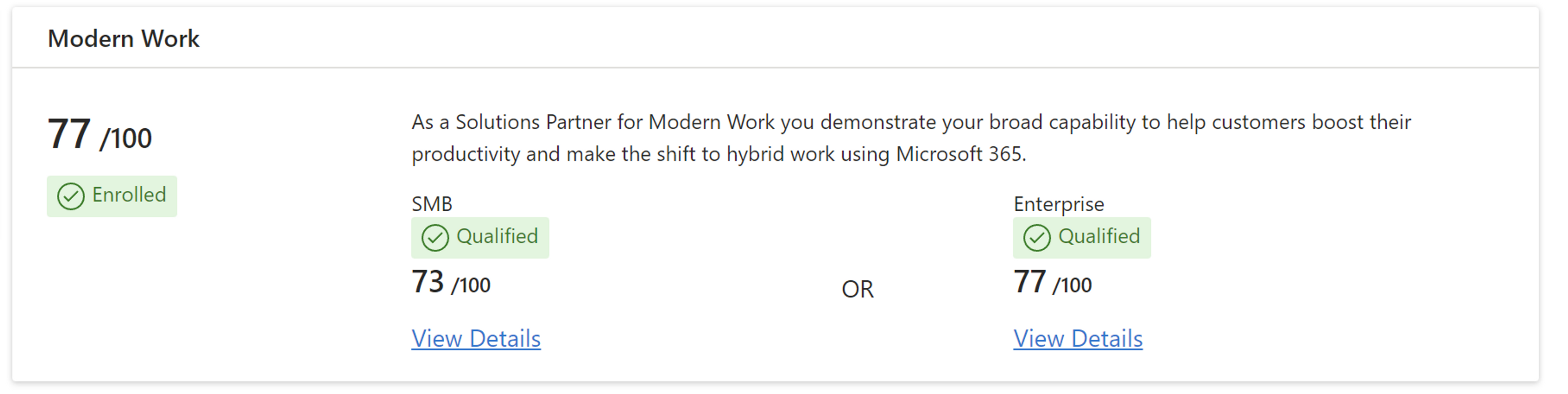
Co‑op/incentives are increasingly gated to the solution areas where you’ve proven capability (designation or capability points) and are actively selling—driving focused practices in Azure, Security, Modern Work, and Business Apps.
Operational thresholds and compliance
Independent guidance summarizing FY26 highlights notes firmer revenue thresholds (e.g., Direct‑bill and Indirect Reseller CSP motions) and tighter oversight on practices like improper Change of Channel Partner (COCP) movements; expect stricter enforcement and potential claw-backs if claims aren’t value‑based. Always verify your specific program docs in Partner Center.
Category clarifications continue year‑over‑year
Microsoft’s Americas Partner Team posts recap category updates (e.g., the rename to Partner Skilling, shifts between Demand Gen and Market Development, and activity eligibility changes) and reinforce timelines and claim windows. Use these as a quick pulse, then confirm in the current FY guide.
60/40 split remains a common CSP rule of thumb
In CSP contexts, many earnings are split 60% rebate / 40% co‑op, though actual rates vary by lever—always check the Commerce Incentive resources and your program addenda.
What You Can Spend Co‑op On (and What to Avoid)
Microsoft classifies co‑op‑eligible activities into three categories. Always validate your plan against the current guidebook:
- Demand Generation – Digital advertising, content syndication, paid social/LinkedIn, multi‑touch campaigns, tradeshows/expositions, partner website and SEO, and other activities focused on awareness and pipeline creation. Annual guidance continues to refine specifics (e.g., prior FY notes removed TV/radio from eligibility and scoped print ads to devices programs).
- Market Development – Customer‑specific activities that accelerate deals: workshops/immersion briefings, bootcamps, proofs‑of‑concept, solution trials, migration services, and in‑person demos tied to Microsoft solution areas. Microsoft also provides Immersion Briefings assets you can tailor.
- Partner Skilling – Training, certifications, enablement programs, and building Centers of Excellence to sustain solution‑area performance and capability. (This category has been referred to as Partner Readiness in prior years.)
Important correction (eligibility for event sponsorships): Microsoft’s Americas Partner Team clarified that Featured Partner Sponsorships for first‑party, corporate‑led events—Microsoft AI Tour, Ignite, Build, and Tech Connect—are eligible co‑op activities. (This updated communication superseded earlier FY25 language that had listed Microsoft‑hosted sponsorship fees as ineligible.) Always validate the latest FY notice and your regional guide.
Common ineligible items continue to include matching Microsoft investments (e.g., MDF/SureStep), cash‑equivalent giveaways, and items expressly listed as ineligible in the current guide.
How Co‑op Is Generally Calculated
- Earning: Incentive rates are program/motion specific and often split payout between rebate and co‑op; balances are visible in Partner Center.
- Visibility: In Partner Center > Incentives > Earnings, filter “Earning Type” to COOP and set the semester date range to see your balance.
- Usage Window: The semester after you earn is when you must use funds; unused funds expire at usage end.
When to Claim Co-op
Claims windows typically open around Feb 16 (for H1) and roughly on Aug 16 (for H2). Keep banking/tax profiles current and submit complete POE to avoid rejections. Always verify exact dates in Partner Center each year.
A Practical Framework to Maximize Co‑op (and Stay Compliant)
Start with the calendar and the balance
Build a semester view (Earning > Usage > Claiming), then pull your co-op balance from Partner Center. Set internal deadlines 30 days before Microsoft’s claim cutoff to avoid last‑minute scrambles.
Design an activity mix that mirrors Microsoft’s priorities
Map spend across the three categories to support your solution areas. Example anchors you can tailor:
- Demand Gen (40–50%) > multi‑touch digital campaigns for Azure Migrate & Modernize, Copilot adoption, or Security awareness, plus content syndication/LinkedIn.
- Market Development (35–45%) > Immersion Briefings, workshops, and small PoCs tied to Security, Data & AI, or Modern Work accelerators.
- Partner Skilling (10–20%) > role‑based certifications to protect designation points and maintain capability.
Make Proof‑of‑Execution (POE) easy
For every activity, pre‑define artifacts you’ll collect (invoices, audience lists, screenshots, agendas, recordings, registration reports, landing page URLs, post‑event metrics). Submit claims promptly once the activity closes.
Tie every dollar to a solution area and a repeatable offer
Incentives and co‑op guidance increasingly align to solution areas and measurable outcomes. Build repeatable offers (e.g., Copilot Readiness, Azure Optimization, Security Hardening) and use co‑op to fuel an awareness > workshop > PoC > proposal flow.
Close the loop with post‑activity reporting
Track sourced/assisted pipeline, cost per qualified meeting, certification attainment, and win rates by campaign—these metrics defend claims, guide reallocation, and signal impact to Microsoft.
Common Pitfalls with Partner Co-op Funding
- Missing the threshold: No co‑op balance to spend that semester (funds convert to rebate). Forecast earnings early and consolidate plans rather than sprinkling small campaigns.
- Late or incomplete claims: Forfeiture. Lock internal cutoffs, maintain a POE checklist, and pre‑assign claim owners.
- Using outdated eligibility lists: Rejections or clawbacks. Validate activities against the current Co‑op Guidebook and Partner Center posts before launch; eligibility for some items (e.g., event sponsorships) has been clarified across FYs.
- Misaligned spend: Low ROI. Focus co‑op on solution areas where you have designations and active motions; prioritize activities that convert to workshops/PoCs.
Before/After: A Simple Co‑op Plan
Before
A partner splits funds across random ads, generic sponsorships, and swag. Claims are rushed; some are rejected. Pipeline attribution is unclear. (Common—and avoidable.)
After
- Demand Gen: Three‑wave LinkedIn + content‑syndication campaign on Azure Data & AI, with CTA to a workshop.
- Market Development: Monthly Immersion Briefings + 10 customer PoCs for prioritized accounts.
- Partner Skilling: Two engineers complete DP‑203 and AZ‑305 to protect designation points.
- Process: POE templates prepared; claims submitted within two weeks of activity end.
Result: Qualified meetings, measurable pipeline, on‑time reimbursements, and stronger Microsoft alignment.
Co-op Isn’t “Free Money”
Treat it like a strategic reinvestment program (not a petty cash fund), and you’ll see higher pipeline conversion, better claim success rates, and stronger solution‑area credibility with Microsoft.