
Microsoft Programs
The Microsoft Partner Opportunity for AI Consumption Changes
| 5 min read
The early days of agentic tools in Copilot were made really accessible. You could use them with your Copilot subscription and augment the already capable experience. Now, rather than accessing it from your standard subscriptions, these types of agentic tools are moving toward a consumption model.
In fact, it’s increasingly anticipated that Microsoft AI workloads continue on this path, not just on a per-seat license flat fee. The implications to the internal systems of a Microsoft Partner business are wide reaching, but it will also impact your customers by how you sell and deliver services.
It might feel like a threat, that AI will get prohibitively expensive, but this move brings in a bunch of new opportunities to Partners that understand where the growth is positioned.
What the Microsoft AI Consumption Model Means for Partners
When it comes to consumption in Copilot, it’s best to familiarize yourself with the term AI Credits. AI Credits is a simplified way to think about tokens when it comes to LLM input and output.
For Copilot Cowork, that means every prompt sent and every response generated may be metered and billed.
If this feels like a familiar framework, it’s because Azure adoption worked in a similar way. Essentially, you only pay when you use the service.
If you deploy Azure workloads, and have experience with that style of consumption usage, you may have a great playbook to adapt for AI. Guiding customers through what tasks have the most impact and value creation while guiding them away from poorly planned use-cases that will only burn through their AI usage budget.
A Real Consumption Example with Copilot Cowork
Copilot Cowork is one of the clearest examples of the model in action.
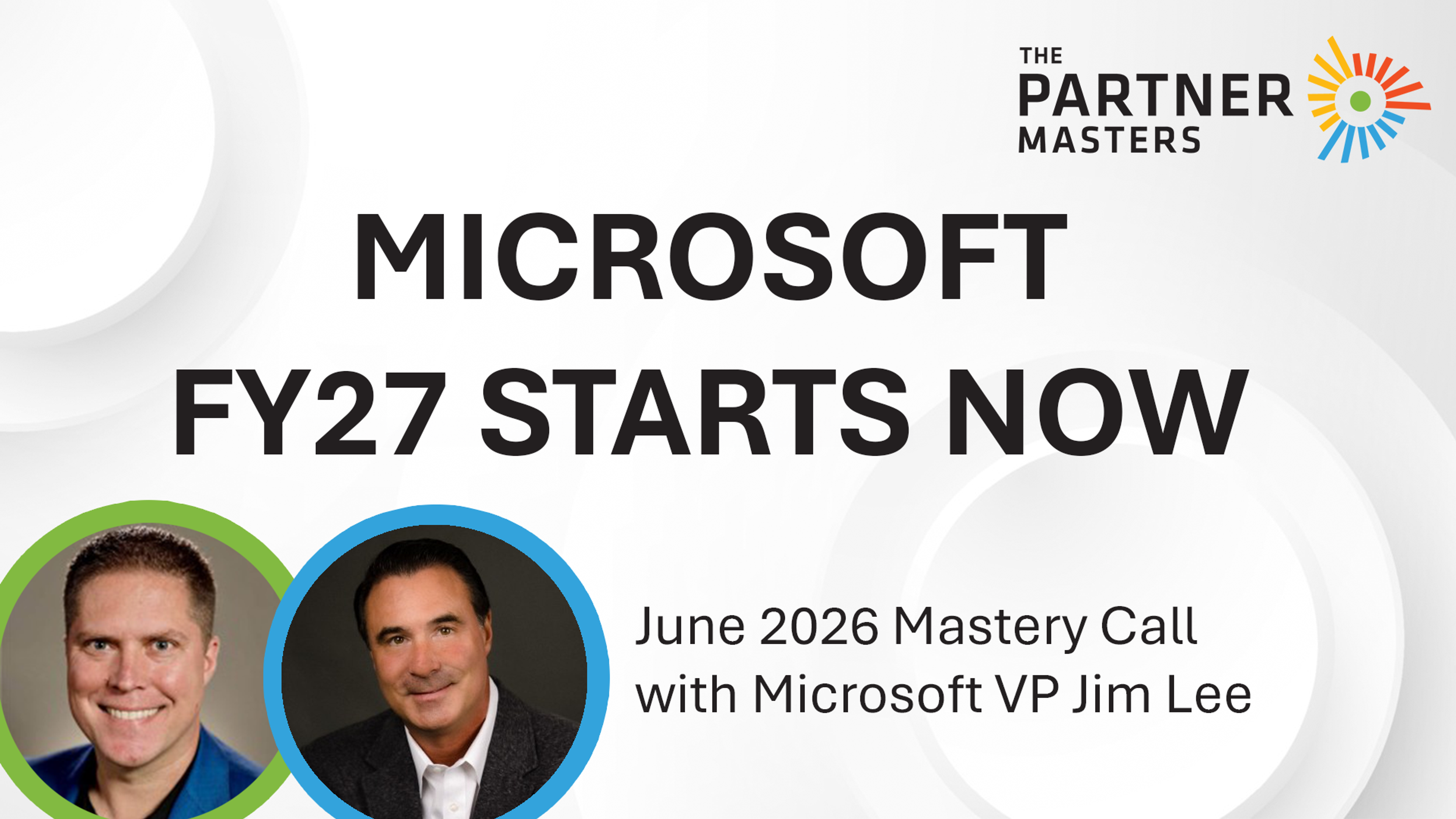
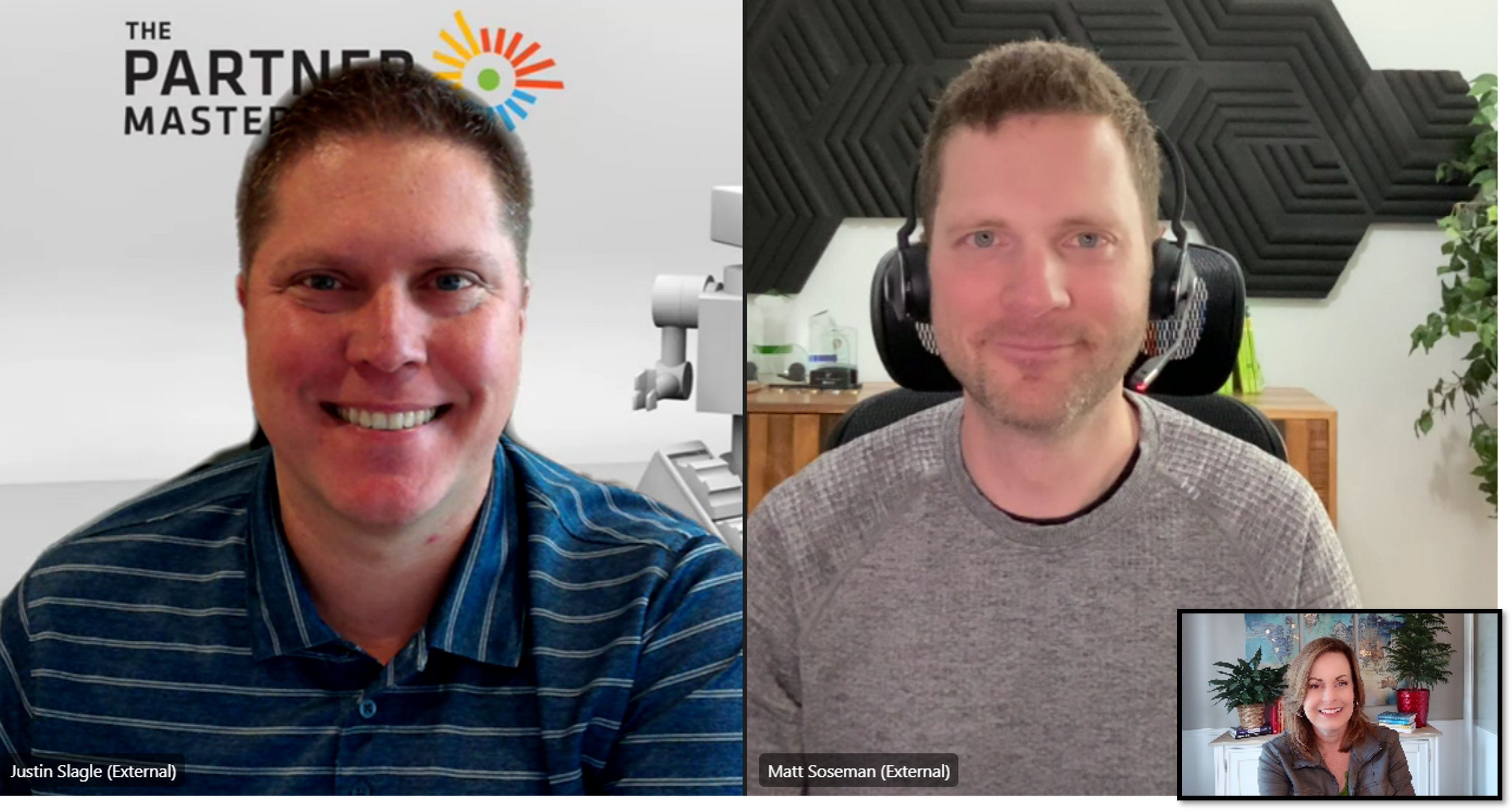
During the a Microsoft Mastery Call, CTO for The Partner Masters, Matt Soseman, shared that if The Partner Masters turned on Copilot Cowork across all roughly 50 employees, the consumption cost would land in the range of 20,000 to 30,000 dollars per month at a conservative usage level.
That can be a staggering number for many in the Microsoft Partner Ecosystem. As scary as those bills might sound, there’s also a lot to be excited about.
Because in the same conversation, Matt noted that a well-designed Cowork deployment could return ten times that cost in additional revenue or improved margin. That is the real story with AI consumption. The cost is real. The upside is much larger when the deployment is intentional.
Partners who help customers navigate that math will build significant advisory revenue in FY27.

Why Consumption Billing Was Inevitable
Microsoft, along with every major cloud provider, is operating in an environment where GPU acquisition and capacity is constrained with enormous infrastructure investment to get them into the hands of customers. Consumption billing is how Microsoft aligns pricing with the cost of delivering AI at the scale companies are demanding.
If you assumed that AI would remain a flat per-seat license, you will need to update your pricing conversations, deployment plans, and customer education strategies sooner than later. The costs can balloon to a staggering degree if not monitored closely.
In fact, starting November of 2026, Copilot Business purchases will include usage-based billing by default.
Where the Consumption Billing Creates a Partner Opportunity
The switch to consumption pricing looks intimidating at first and many customers will have concerns around how to best give their employees frontier tools, while controlling for costs.
As quickly as you can schedule a meeting with your customers, these are the topics you need to bring up now:
- What’s the business use-case validation?
- Is there a way to start cost forecasting?
- Is there an adoption strategy in place?
- Where does AI fit with existing guardrails and governance?
- Are there plans for optimization over time?
- Can you capture ROI measurement from the spend?
Any tepid or nervous responses can signal that there’s an opportunity for you to turn that conversation into long-term advisory. From there, you can support licensing, services, adoption engagements, and Microsoft-funded pre-sales and post-sales motions.
Evolving the Licensing Conversation because of AI Consumption
Historically, a customer request for an additional license was a transactional event like adding the seat, adjusting a subscription. All very clear cut. That’s no longer the case for AI workloads.
When a customer asks for a Copilot Cowork license, an E7 license, or an Agent 365 license, the follow-up questions matter more than the transactions because it’ll be tied to how much you’ll be getting billed.
If you’re not willing to ask more probing questions, you will lose ground to partners who are.
Microsoft Partners Should Start Having AI Consumption Discussions Today
Consumption-based AI rewards partners who think strategically and adapt. The best place to start understanding this frontier of technology should follow Customer Zero practices.
Start using AI consumption billing, use your Microsoft Partner Benefits (IURs) and internally align around what is a worthwhile spend, and what should be moved to different workloads.
Partners that build this discipline in FY27 will start leading AI conversations with credibility, trust, and value
As the frontier models of AI continue to develop, consumption billing will continue to be standard and the partners working on it now will have a headstart on those that aren’t.